
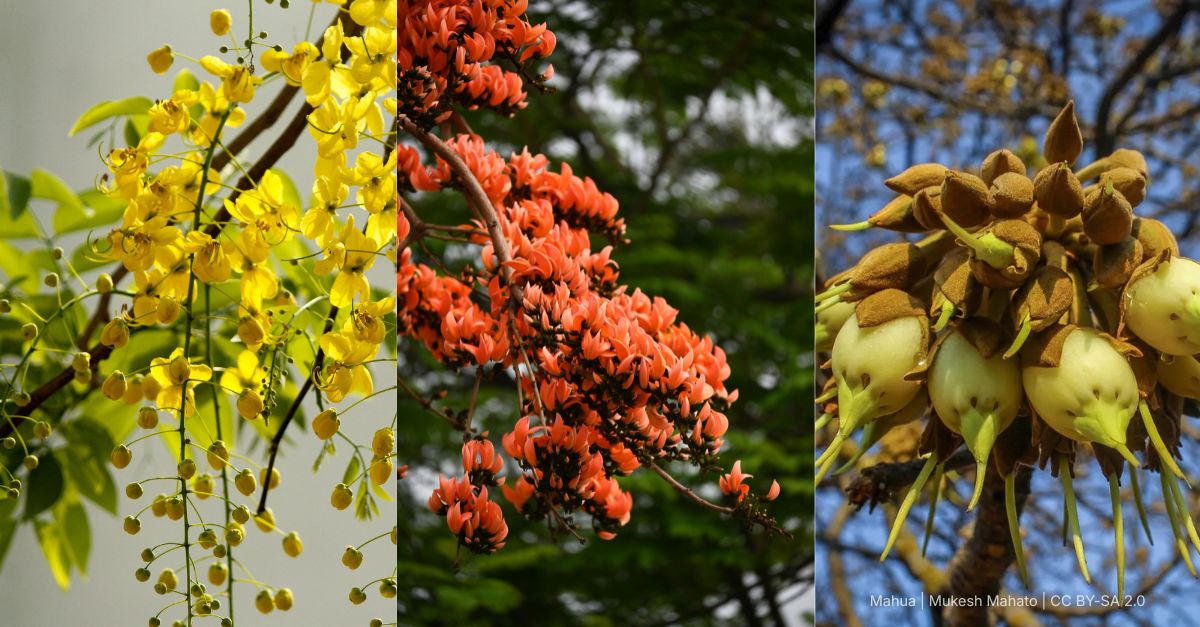
These weeks of April witness the bloom of flowers. Konna (Cassia fistula) hangs like golden chandeliers across Kerala for Vishu, palash sets central India ablaze as the “flame of the forest”, and mahua begins its quiet predawn shower of flowers that tribes gather for food, drink, and income.
In our ecosystem of partners, April has felt similar – different solutions coming into bloom at once, from climate data tools and reports to youth programmes and community-led conservation, bringing along silver linings of hope for our collective future.
Team updates
Built shift: Getting honest about how India builds
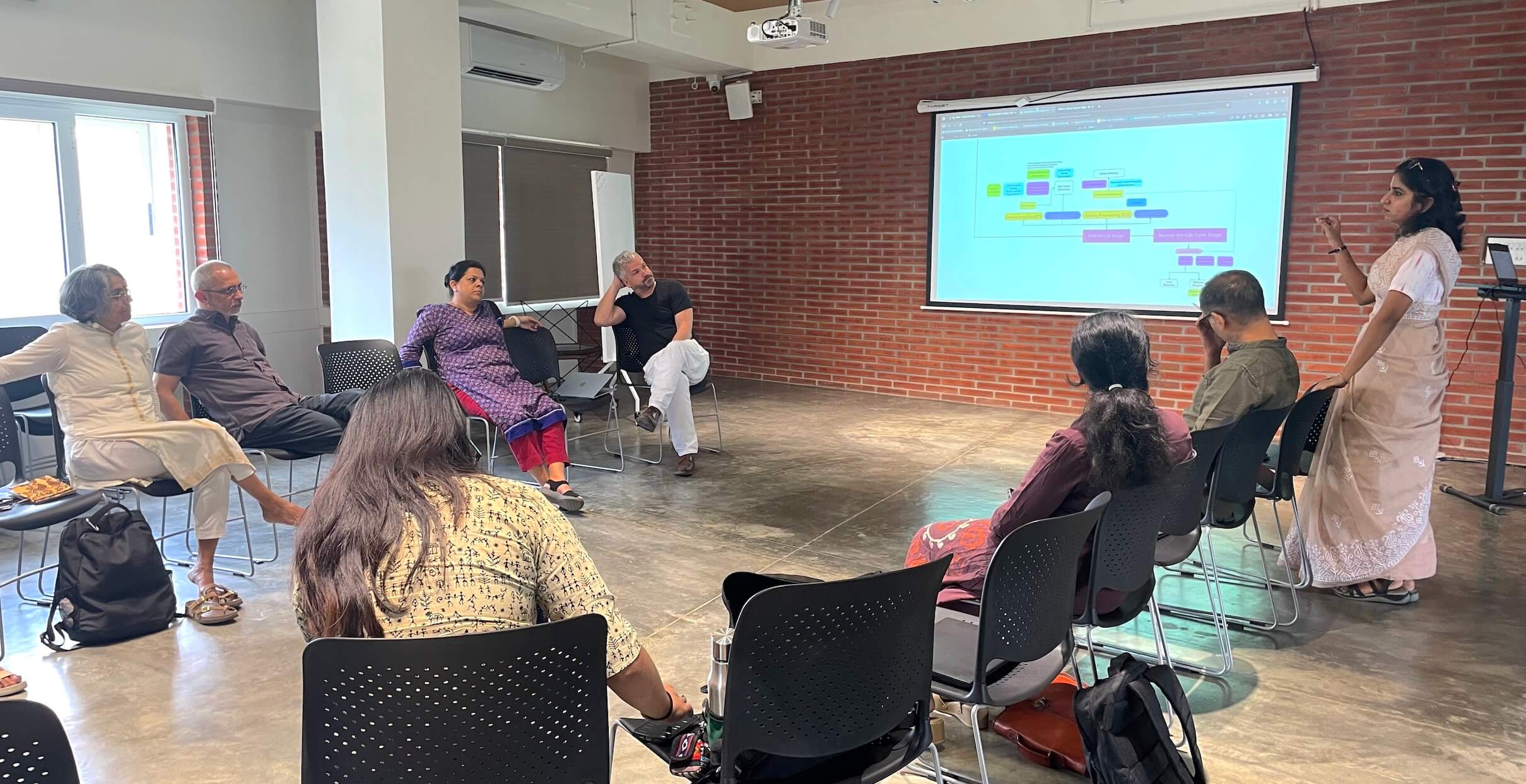
15 practitioners, researchers, architects, and policy thinkers from six organisations sat together for a “built shift” un-conference in Bengaluru to honestly dissect why India’s construction ecosystem is struggling to deliver regenerative buildings.
Akshatha Narayan (Thesis Lead for Buildings at Rainmatter) shared that the group agreed to move beyond government enforcement, and work towards demonstrating what “good” looks like within existing work using levers like HVAC, ESG pressure, insurance risk, and consumer demand. The group aligned on creating an open, credible system that combines scientific datasets with validated case studies so that insights can feed into narratives, financial models, and policy tools. Four working groups – Data & Information, Activating Data, Building Process, and Governance – emerged to carry this agenda forward and turn shared diagnosis into coordinated action.
Get in touch with Akshatha if you are working around any of these focus areas.
Reimagining livelihoods in Bhimpur (MP)
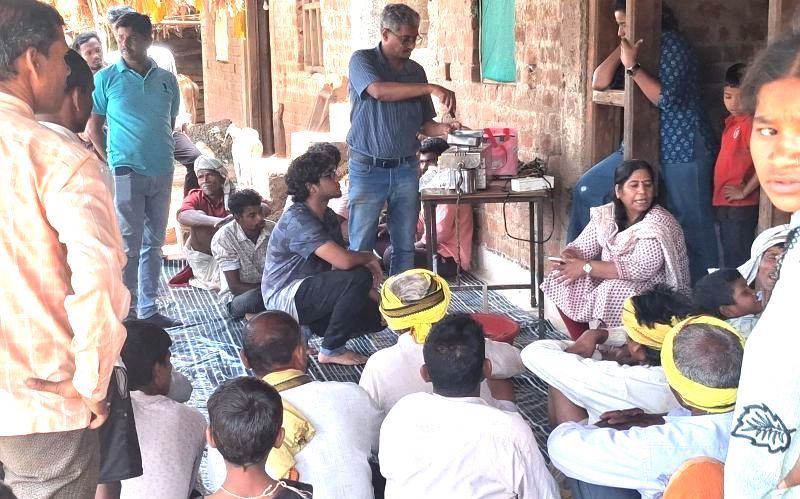
Tanmay Mukherjee (Strategy Lead – Entrepreneurship and Platformisation) spent two days in the Bhimpur block of Betul, deep in tribal Madhya Pradesh, with the NATURAL CAPITAL team and their Green Chakra initiative, which is helping farmers shift to natural farming through a for-profit model.
Engaging with Korku and Gond communities, he observed how villages largely sell raw produce like millets, maize, niger (jagani), mahua, while traders capture most value by selling finished products at market rates.
Through a demonstration of a portable oil expeller, he showed how local processing can reduce household oil spends (~₹15,000/year), create small enterprises (like soaps and snacks), and generate useful by-products (nutrition for children, cattle feed). The savings and earnings can recover the machine cost within 3-4 months. To learn more, check out Tanmay’s LinkedIn post here. Reach out to him if you are in the livelihoods and enterprise space and want to reimagine the approach for ‘Local Communities aligned to their Local Ecology’.
Hyperlocal climate governance
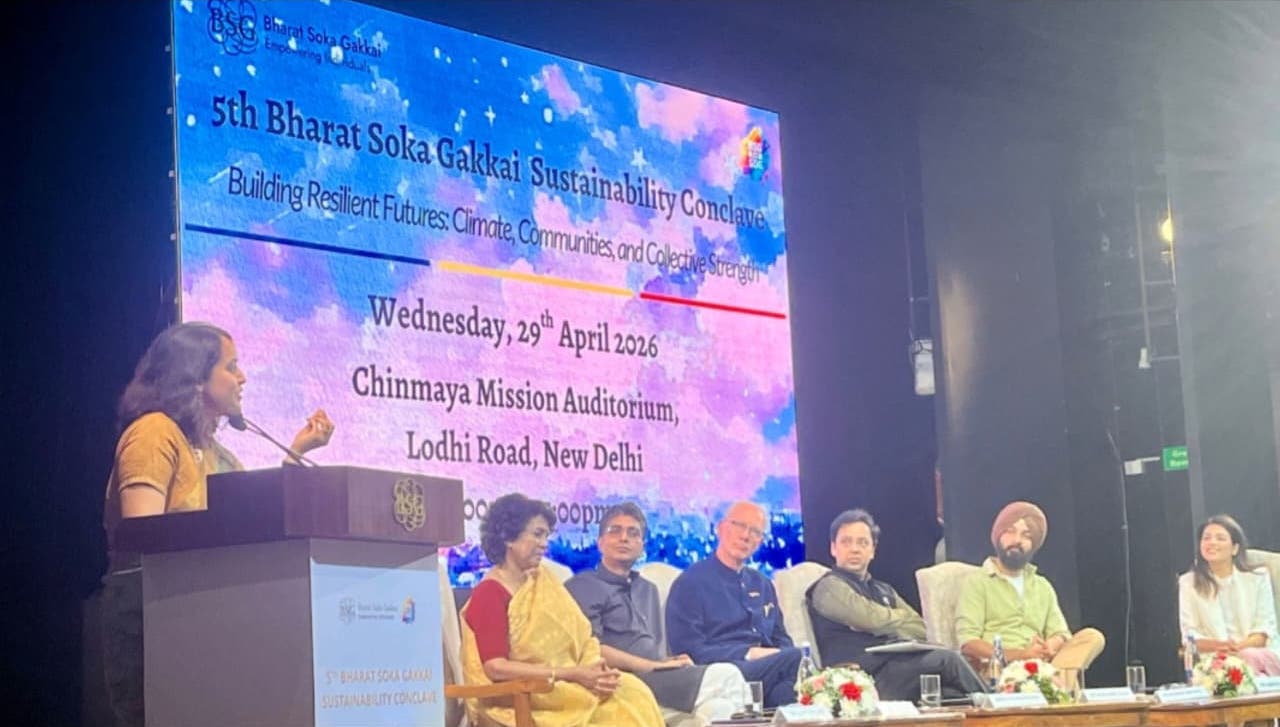
At the 5th Bharat Soka Gakkai (BSG) Sustainability Conclave, conversations explored how climate action must move beyond policy and become a shared societal effort.
As a panelist, Ripudaman Singh Bevli (Thesis Lead – Changemaking) spoke about the importance of hyperlocal climate governance, where communities become active co-creators of resilience across issues like water, agriculture, waste, and livelihoods.
A key reflection from the conclave was that the climate crisis is now a social and behavioural issue in addition to environmental. And solving it will require trust, participation, and collective ownership.
Partner updates
Paani Foundation – Aligning with government for scaling rural resilience
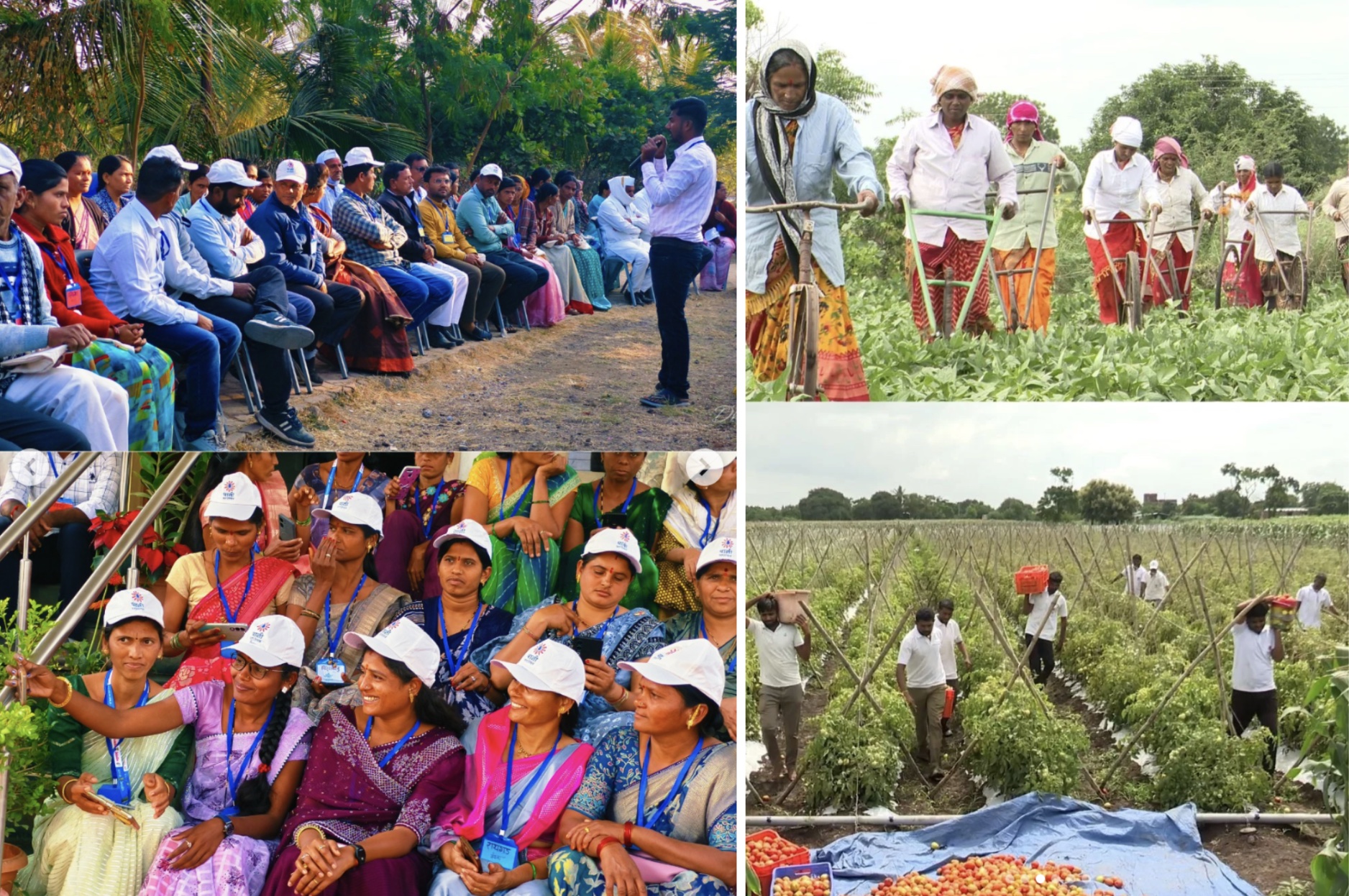
Farmer Cup by Paani Foundation is a Maharashtra-wide competition where farmer collectives work towards economic and ecological prosperity, and it achieved an institutional breakthrough.
Building on years of groundwork, the efforts led to the Government of Maharashtra deputing 1,200 officials full-time for four months. The officials will undergo a 2-day residential training with a structured framework to consistently focus on farmer mobilisation, group formation, and sustained on-ground support across all talukas.
The ambition is bold but clear: enable 15,000 groups of farmers across Maharashtra and ensure at least 1.5 lakh farmers participate in this season’s Farmer Cup.
CEEW – Launching CRAVIS, an AI-powered climate risk platform
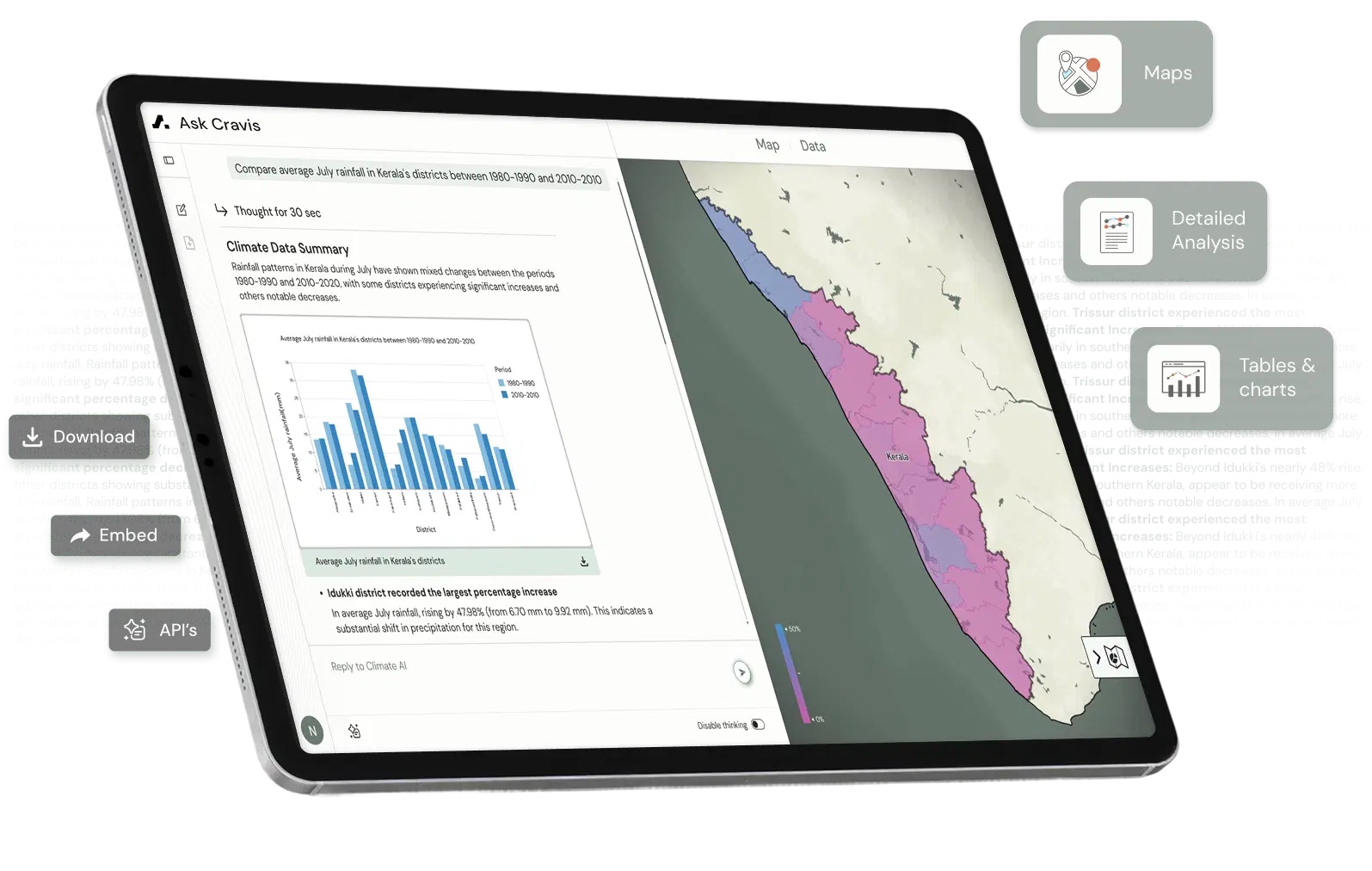
The Council on Energy, Environment and Water (CEEW) launched CRAVIS – the Climate Resilience Analytics and Visualisation Intelligence System – an AI-powered climate intelligence platform. The platform is designed as an open digital public good, aiming to bridge the gap between complex climate science and actionable, on-ground decision-making.
CRAVIS brings together more than 40 years of climate data and future projections to map district-level risk across 279 indicators, from extreme heat and heavy rainfall to drought patterns.
With an agentic AI layer, varied users like policymakers, planners, journalists, bankers, and citizens, can ask questions in conversational language and receive source-backed, district-specific insights within seconds.
Vidhi Centre for Legal Policy – Tracking Parliament through The Green Hour
Vidhi’s latest issue of The Green Hour analyses the Monsoon Session 2025 (21 July–21 August 2025), examining how Parliament engaged with environment and climate questions.
It breaks down 303 MoEFCC questions out of 8,895, themes like pollution, wildlife, and forests/afforestation, and how the government acted on 12 Standing Committee recommendations.
Also, a Green Hour Online Bulletin tracks key regulatory moves fortnightly. Policymakers, environmentalists, journalists and students of climate and environment studies can explore the full set of updates via the newsletter and subscribe to The Green Hour on Substack to receive regular briefings on environmental law and policy in India.

Asar – ‘Simplifying Science’ brings climate research to communities
The ‘Simplifying Science’ programme by Asar turns rigorous climate science and research into everyday language and narratives that connect it to the impact on the environment, health, and wellbeing.
They create multilingual stories that can be carried by regional media to reach communities most affected by climate change – agricultural workers, construction labourers, fisherfolk, urban poor, and more. The team works directly with researchers to produce long-form articles in English, commissions expert translations into regional languages, and then disseminates them via trusted regional media partners.
In April, they picked the study “Anatomy of Moist Heatwaves in India During the Summer Monsoon Season” by Dr Akshay Deoras and colleagues. In a span of 14 days, at the onset of harshest summer, they were able to garner 43 media coverages across 6 regional languages. It even drew attention of the former Chief Scientist of the WHO who reposted one of the coverage.
By tracking coverage, reactions, and policy uptake, Simplifying Science is building a model for how rigorous climate science can meaningfully enter public and policy discourse.
To deep dive into the coverage report, click here.
Palluyir Trust – People’s Biodiversity Register for Sirudavoor
Palluyir Trust, in collaboration with Madras Naturalists’ Society, completed the People’s Biodiversity Register (PBR)* for Sirudavoor, an ecologically rich but encroachment-threatened landscape near Chennai.
Over the past year, the team worked closely with village youth to document biodiversity across seasons, building a living record of local species and ecological relationships. The completed PBR was handed over to Ms. Mita Banerjee, IFS, PCCF and Member Secretary, Tamil Nadu Biodiversity Board – a major milestone that anchors community knowledge within regulatory conservation processes.
Palluyir is now working to initiate PBRs in four other eco-sensitive hotspots around Chennai, scaling this model of youth-led ecological documentation and stewardship.
* Mandated under the Biological Diversity (BD) Act, 2002, the People’s Biodiversity Register (PBR) is a repository of flora and fauna species, local livelihoods and traditional knowledge of utilising medicinal herbs and plants. It is an informal inventory of information, a locally maintained database and a means to protect intellectual property rights.
WCS India – Urban biodiversity and responsible media
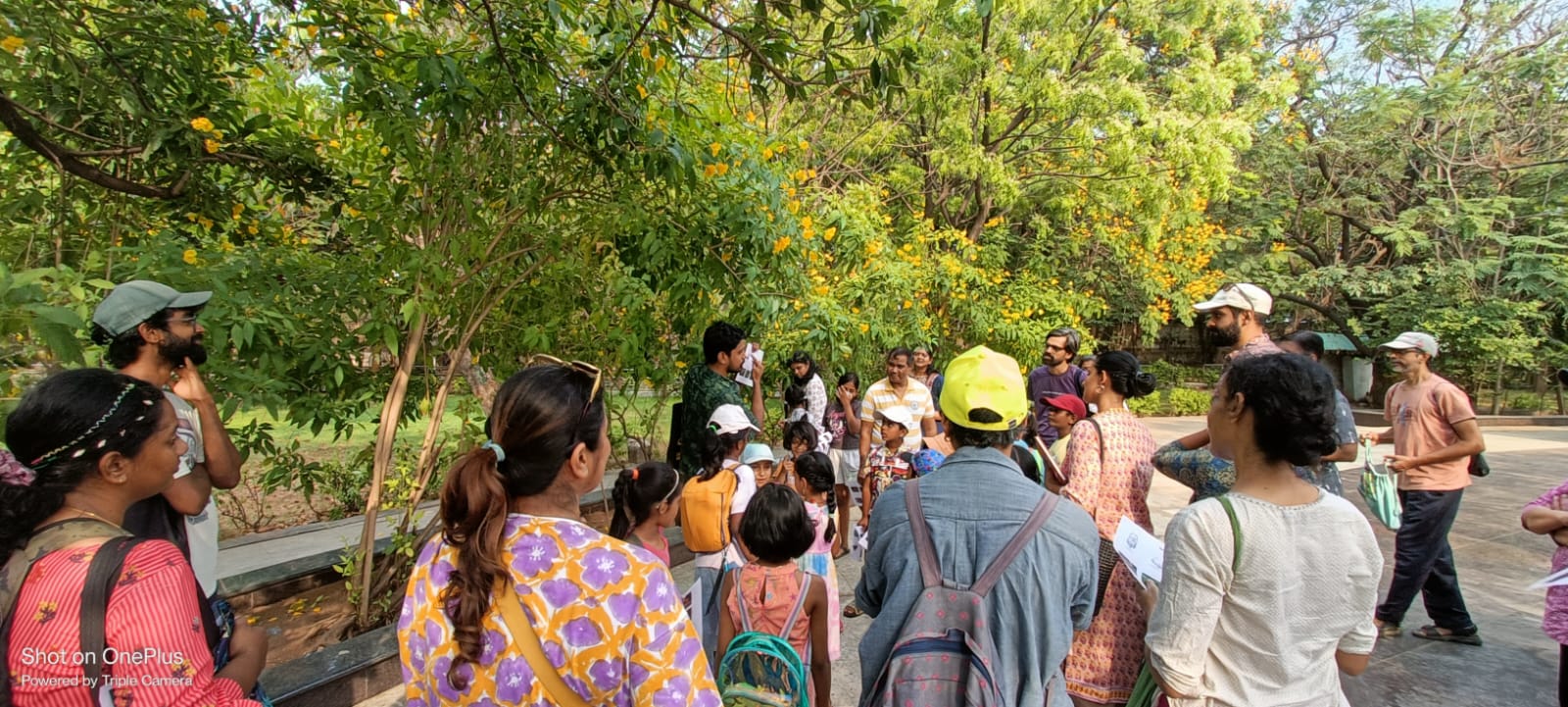
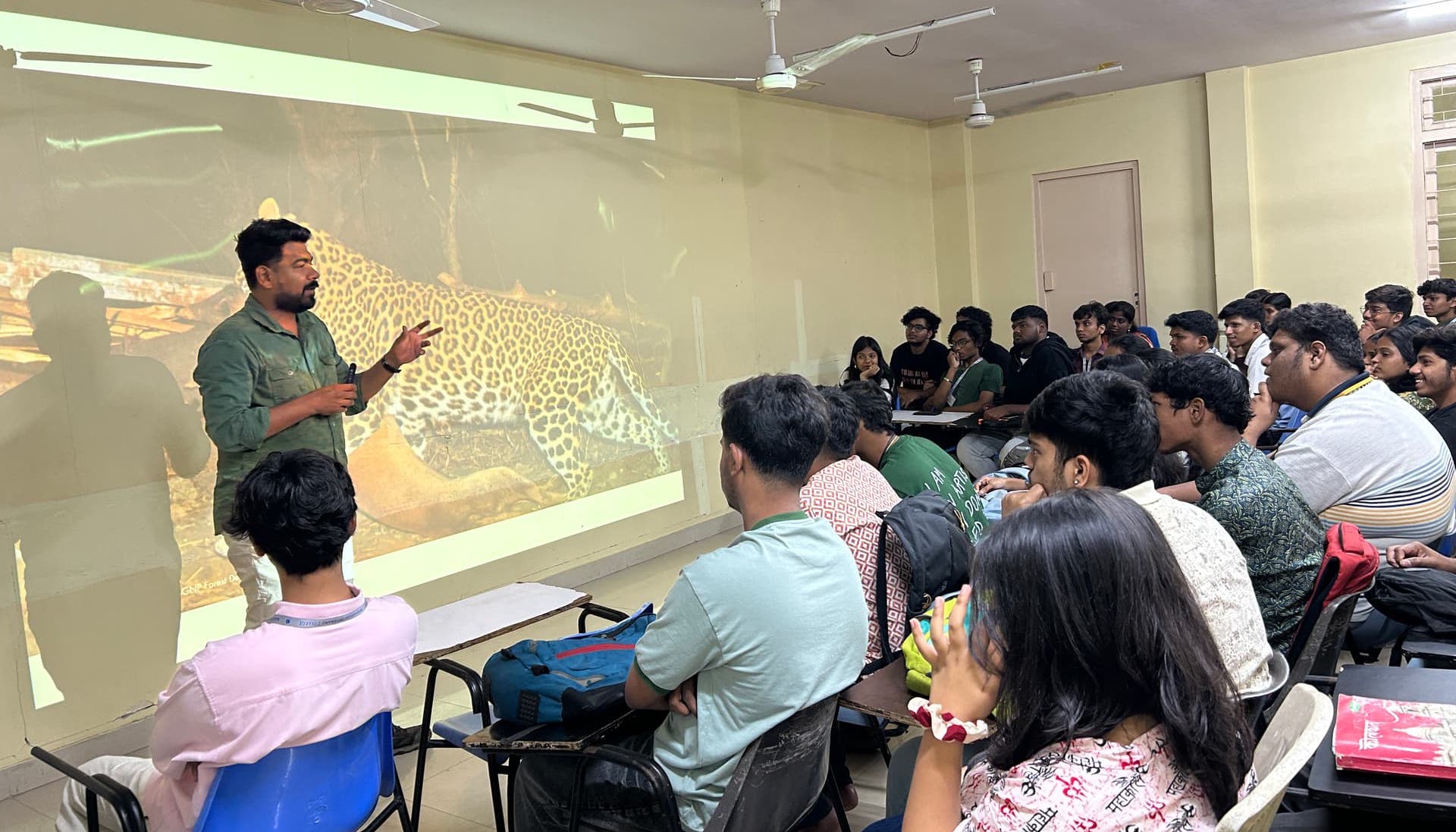
WCS-India delivered sessions on “Urban Biodiversity and the Media Narrative,” across four Mumbai colleges to more than 310 media and communication students.
The sessions introduced Mumbai’s forests, mangroves, wetlands, and marine ecosystems, while exploring how unmanaged waste, free-ranging dogs, and leopards intersect in complex human-wildlife interfaces. Students engaged with real-world reporting dilemmas and learnt how framing can either sensationalise or deepen understanding of human-wildlife interactions.
In parallel, WCS-India also engaged with IFS officers at the Chandrapur Forest Academy, as part of their training programme on conflict issues.
These engagements are helping shape both future media professionals and forest officers to respond to human-wildlife interactions with nuance and responsibility.
Swarathma – ClimateJam concert series kicks off
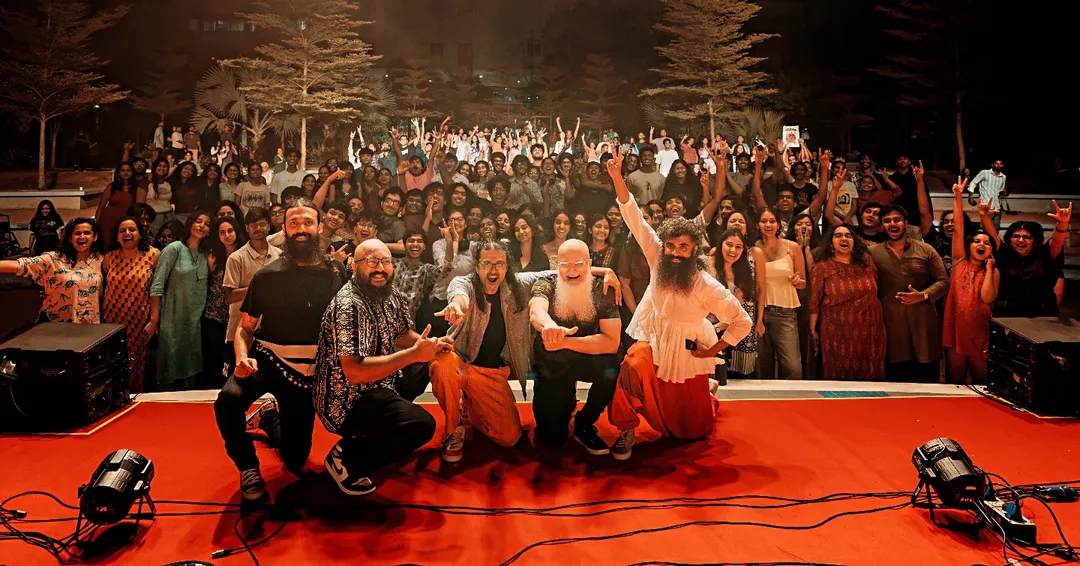
ClimateJam is a culture project by folk-rock band Swarathma in partnership with Rainmatter and educational institutions. It aims to reframe climate action through live music, humour, and hope.
In a planned 10-campus series, the first one took place at KREA University where ClimateJam was woven into a course called “Engaging with the Environment” and included a creative showcase by the students. The second in the series took place at the BML Munjal University as part of their Policy Conclave that also saw a competition on creative communications of policies.
In both the jams, Swarthama’s songs, lyrics, and music created an electric atmosphere for students and triggered a sense of belonging – with nature, climate change, society, and our roles as active citizens.
Swarathma is exploring collaborations for ClimateJam with institutions and organisations to deepen climate connections through music and build agency among youth across campuses. Reach out to Jishnu at [email protected] if you wish to collaborate!
A Rocha India – Anti-snare drives and reframing conservation
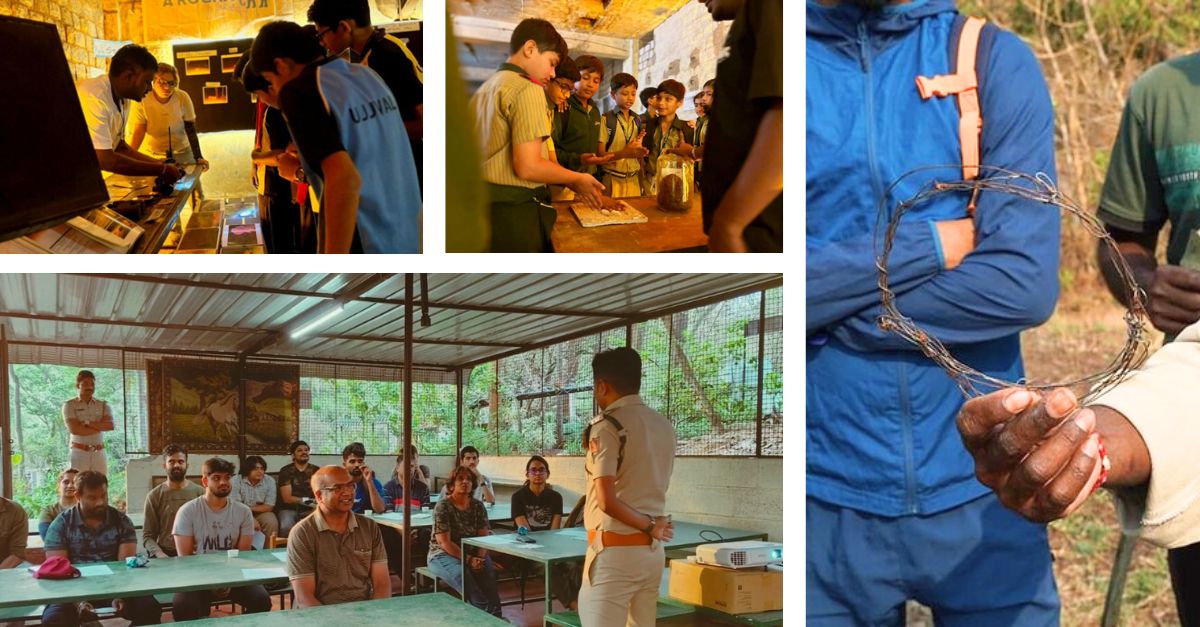
A Rocha conducted an anti-snare drive in the Kodihalli Range of Bannerghatta National Park with 25 trained volunteers and 10 forest department staff, focusing on forest-farmland edges where poaching pressures are high.
Volunteers walked alongside forest watchers, gaining an in-depth understanding of how simple wire snares, often made from brake cables, can cause severe injury or death to wildlife moving through shared landscapes. Participants’ reflections highlight how proximity to Bengaluru can mask the reality that a rich forest ecosystem, with elephants, sloth bears, civets, and leopards, lies barely 30 minutes away.
A Rocha also works on animal sign-based surveys that document species presence in both park and human-dominated areas, revealing how wildlife use and walk through spaces beyond formally protected forests.
Through classroom engagements with urban students and public-facing installations at cultural festivals like Sixth Sense, A Rocha is reframing conservation as something embedded in everyday environments, not just distant wilderness.
Find out more about A Rocha and the ongoing anti-snare drives here on Instagram.
Socratus – Launching an Art & Crafts Experience Centre
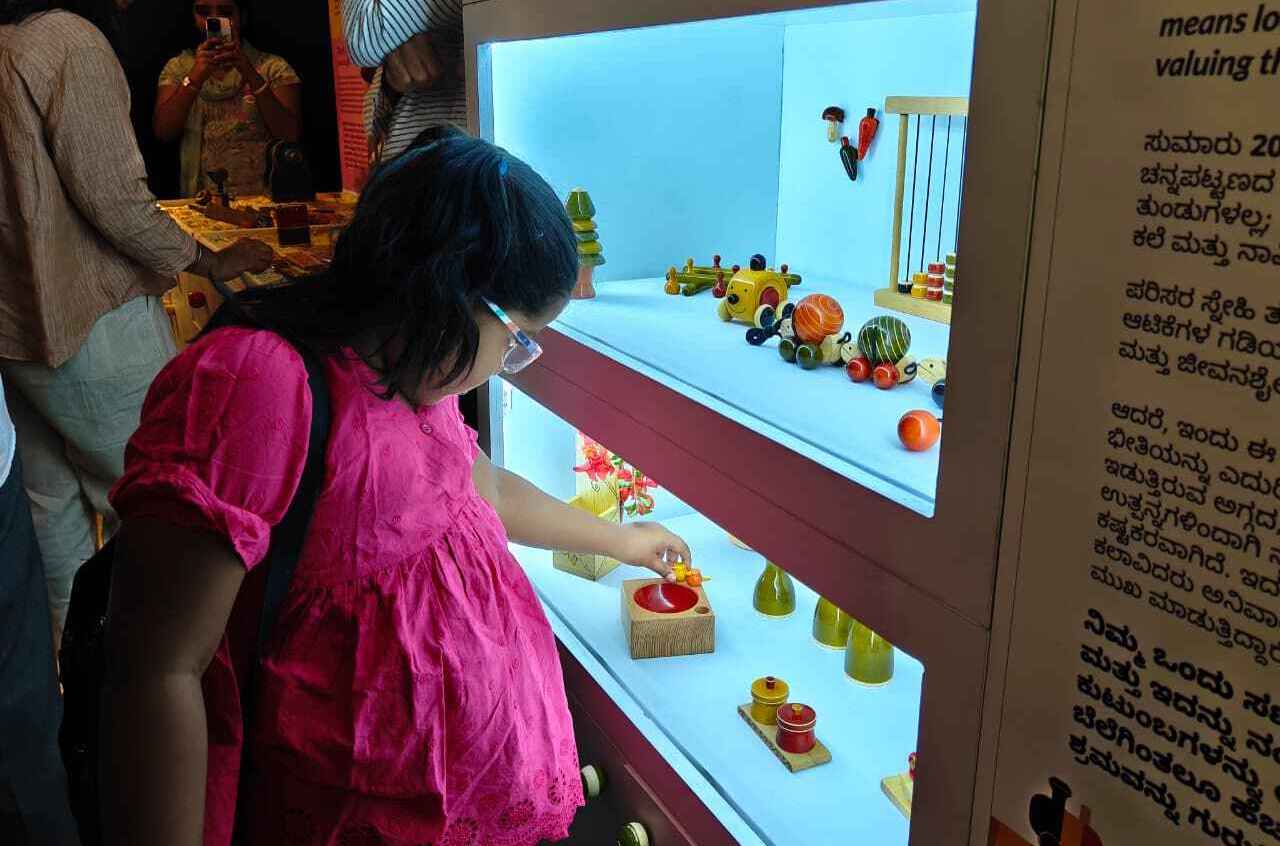
As part of the Neighbourhood Initiative, Socratus launched an Art and Crafts Experience Centre to spotlight the craft processes behind Channapatna’s lacquered wooden toys and artefacts – the art and the artisans themselves.
Visitors can explore interactive exhibits, close-up displays, and live craft demonstrations that make the journey from raw wood to finished toys. The presence of artisans, who explain materials and techniques, shifts how people value everyday objects, turning casual curiosity into deeper appreciation.
For Socratus, the centre is a way to use physical spaces to bring people, materials, and stories together and where serendipity and community can emerge around crafts. It is the fourth in a series of centers around rivers, textiles, and everyday materials. Find more information about all the four centres here.
Goonj – Gram Swabhimaan & cross-pollination
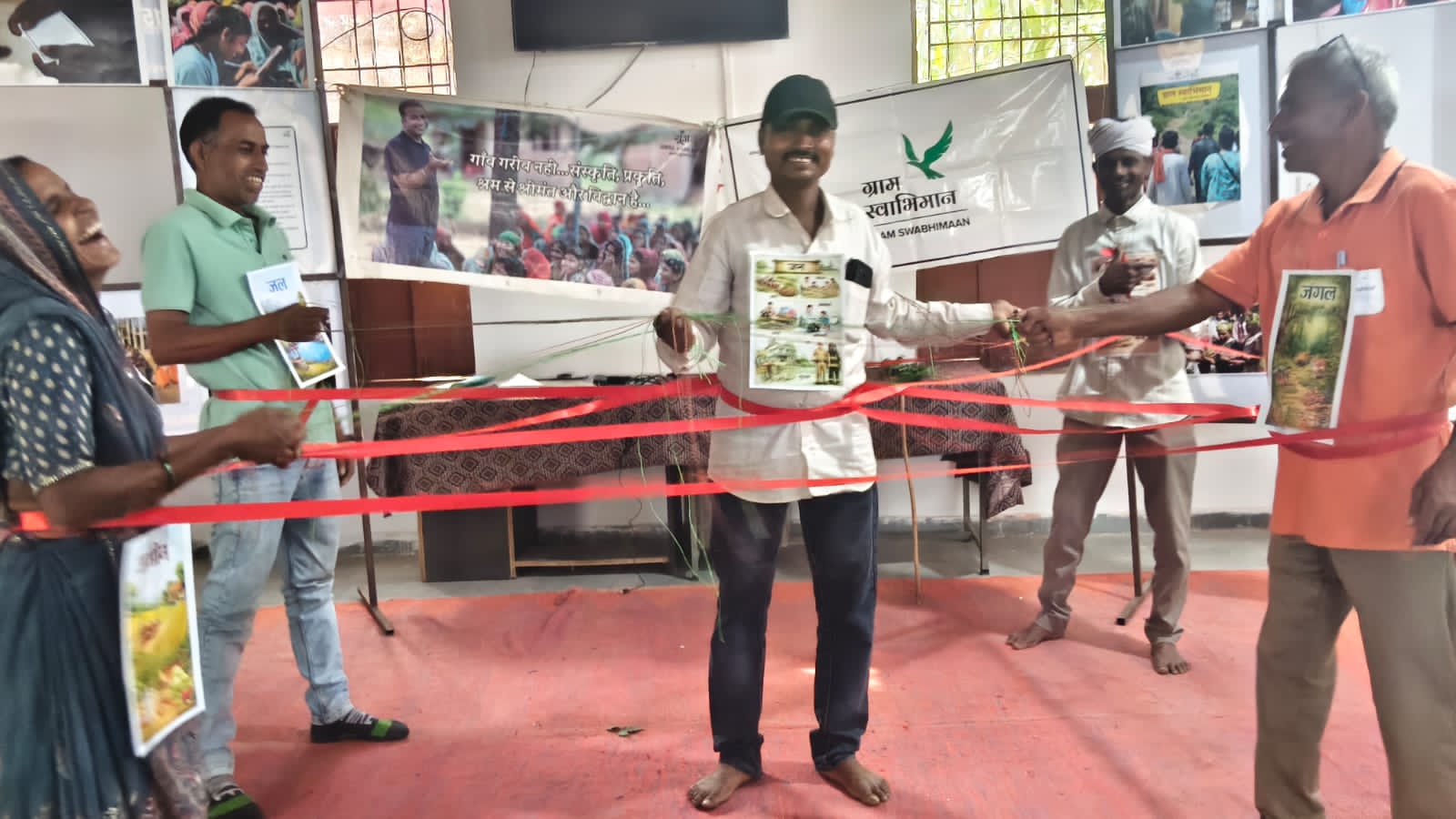
Through Gram Swabhimaan gatherings, Goonj brings villages together to reflect on their strengths, local resources, and shared responsibility, shifting the focus from “what is missing” to “what do we have”. The process creates space for conversations through community meetings, school sessions, youth interactions, and partner-led engagements.
A recent SoTH Alliance visit to PRADAN’s work in Jharkhand led to an interesting exchange of ideas. Goonj adapted PRADAN’s 5J exercise (Jal, Jangal, Jameen, Jan, Jaanwar – the interconnectedness between people, nature, and livelihoods) into its own community meetings, while several organisations in the Alliance continue to learn from and build upon the Gram Swabhimaan approach in their own regions.
Dakshin Foundation – Where Care meets the Coast
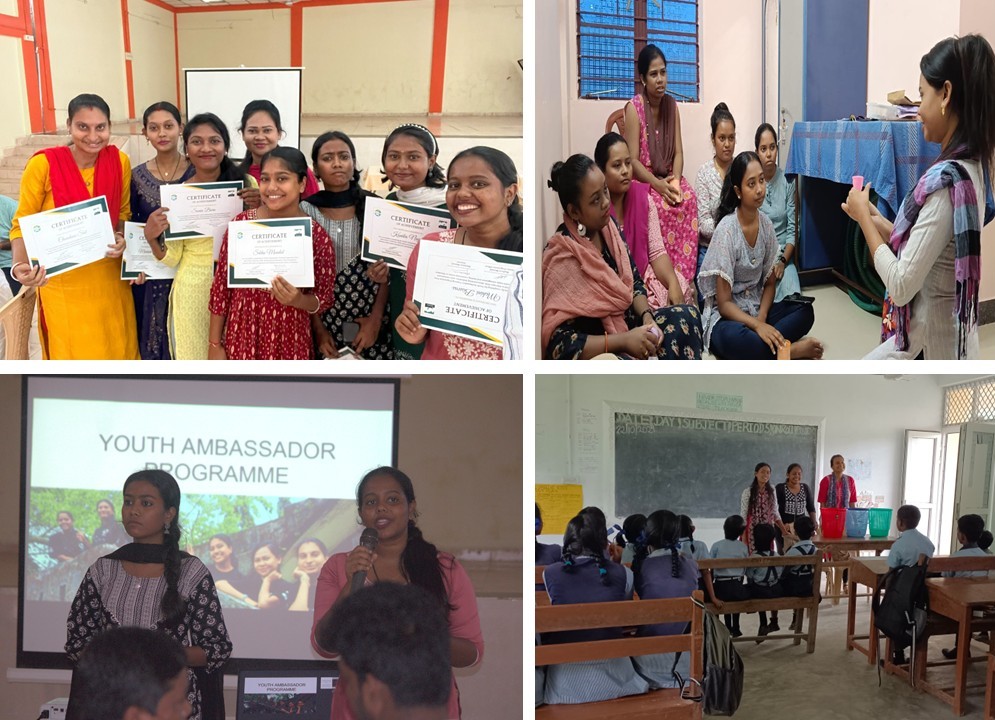
On small and ecologically sensitive islands like South Andaman, menstrual waste is rarely spoken about, yet it poses a growing environmental challenge. Through community partnerships and open conversations, Dakshin Foundation’s Andaman & Nicobar Environment Team (ANET) has been working to make menstrual health more sustainable while reducing non-biodegradable waste.
The initiative has trained Youth Ambassadors, ASHA and Anganwadi workers in partnership with the Wandoor Panchayat, helping introduce sustainable menstrual products to more than 1,200 women, who have now shifted to eco-friendly alternatives such as menstrual cups, cloth pads, and period panties. It brought together environmental conservation, public health, and conversations around a taboo subject that is still too often treated as taboo. This effort was recently recognised through the 5th Samir Acharya Memorial Award for Conservation of Coastal and Island Ecosystems.
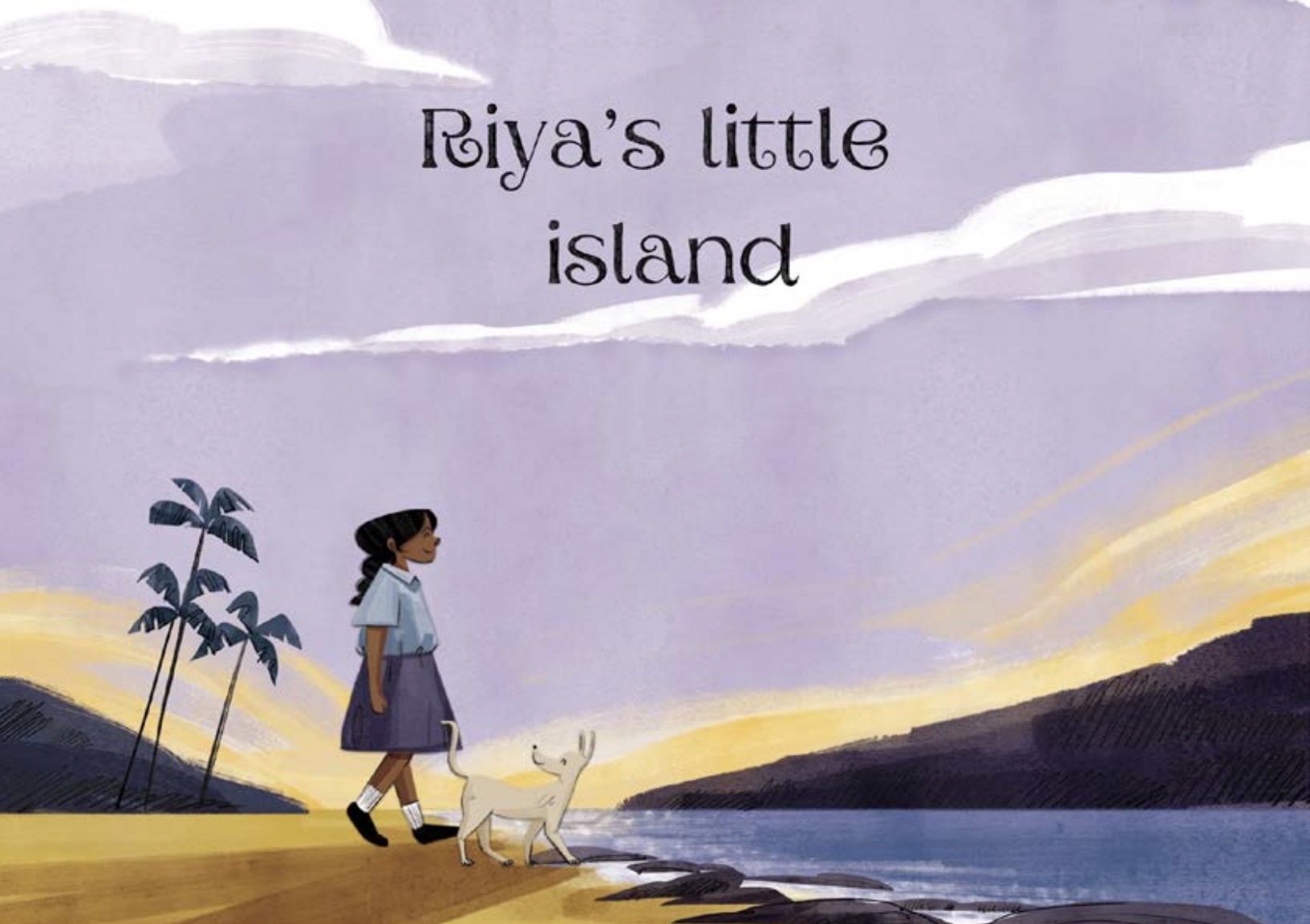
Also, in their ongoing work to build care and concern for their place among children, the team collaborated with 13 children from the Junglighat community to launch a book, Riya’s Little Island. Set against the beauty of the Andaman Islands, this tale explores the delicate balance between worry and wonder – something we all carry within us. You can access the full PDF of the book here
The Climate Brief – Making climate impact visible in everyday life
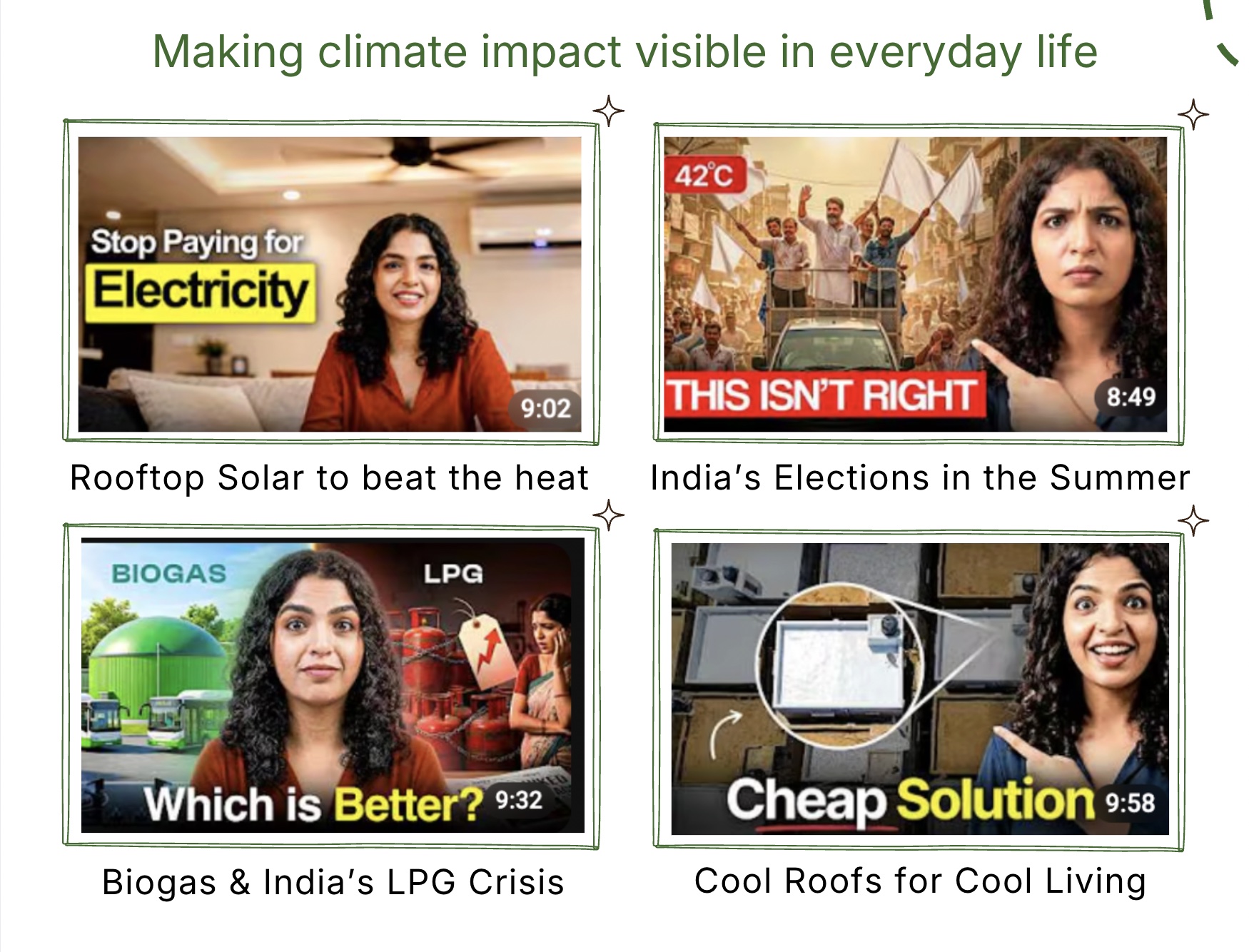
In April, The Climate Brief continued its YouTube series on India’s climate and energy choices, from rooftop solar and “life hacks” for summer to biogas, heatwave responses, and voting in 40‑degree heat.
Each episode translates complex topics and science into everyday stories, helping viewers connect climate systems with their own lives and decisions.
If you haven’t caught our latest episodes yet, they’re on @TheClimateBrief YouTube channel and worth your time.
Opportunities
Green Stories – Environmental documentary projects
Green Stories is a mentoring and pitching forum dedicated to wildlife and environment documentaries from Asia. The applications are now open for 2026 from filmmakers, producers, and production houses across Asia working on documentary projects with an environmental focus.
Up to 16 feature-length and six short documentary projects will be selected, spanning themes such as ecosystems, climate and environment, wildlife conservation, and people and community. Due by 30 June 2026, submit your application via an online form and include a visual clip (email or postal submissions are not accepted). To apply, click here.
IDR – Northeast Media Fellowship
India Development Review’s Northeast Media Fellowship is a 10-month programme for three young fellows from the Northeast, who work with IDR’s editorial team to tell grounded stories from the region.
Fellows travel within and beyond their states to report on livelihoods, education, health, gender, and more, producing written and multimedia content that informs policymakers, funders, and nonprofits. The last date to apply is May 15th 2026. Organisations working in the Northeast can write to [email protected] to connect their work with the fellowship.
Until next time, may your roads be auspicious | śubhāste panthānaḥ santu
Team Rainmatter Foundation