
The month of March was about roots – in soil, in storytelling, and in community.
We engaged with people building change from the ground up. Saw immense potential in youth undergoing regenerative farming fellowship. Created frameworks to enable tribal self-governance from on-ground learnings. Got the non-profit ecosystem to build intuitive tech tools with responsible AI use. Saw resilience taking shape through creativity and spoken word at student showcases.
Partners continued to deepen place-based work – a new guide on better reporting on human-wildlife interactions, coexistence conversations where all place-owners came together to learn, and 14 Jagah Fellows telling India’s climate stories from the places the world has looked at too quickly.
Across farmlands, classrooms, forests, and convenings, one thread stands out time and again: lasting change takes root when communities take ownership.
A Room Full of Conversations about ‘Place’
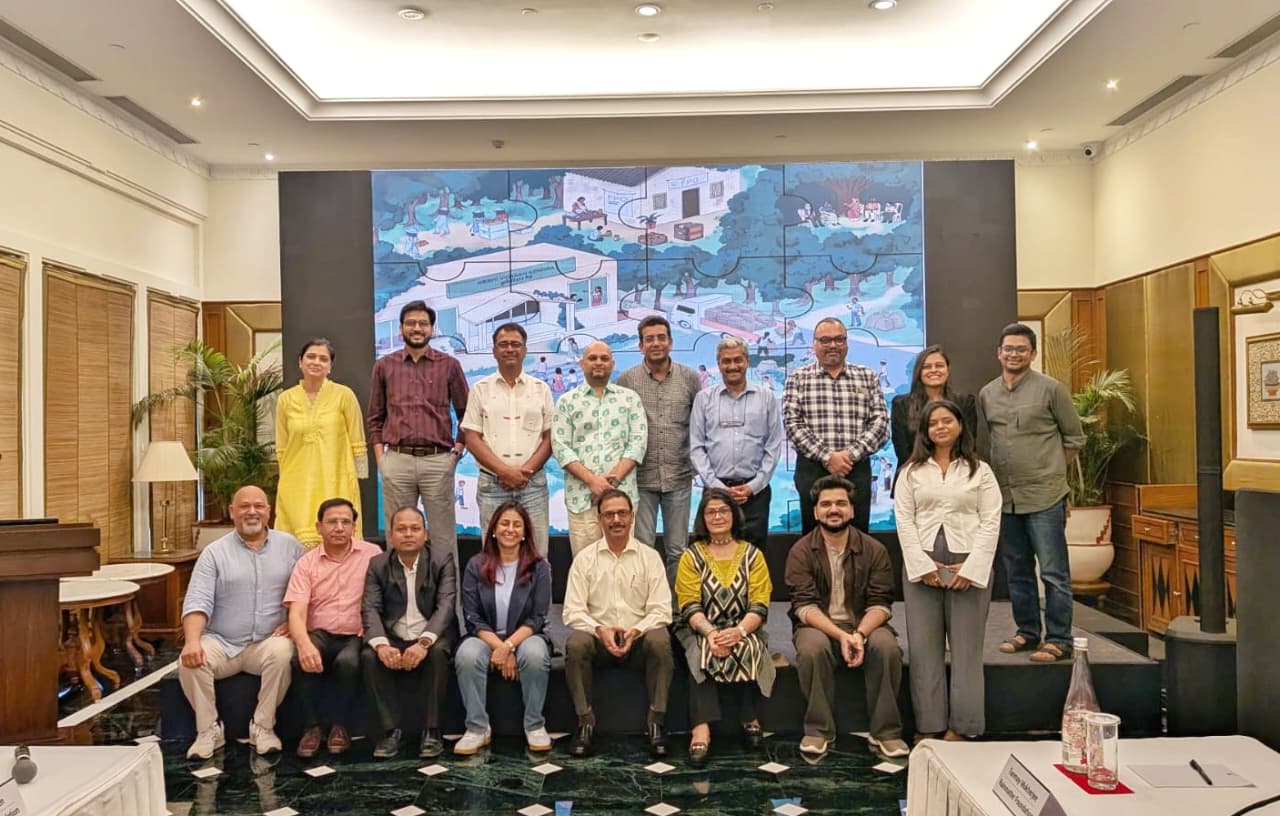
In Udaipur, about 13 philanthropic and civil society organisations sat together to ask a genuinely hard question – what does it actually mean to fund a place, not just a project?
The Unnati Funders’ Table, facilitated by Energiva Ventures, unlocked the co-creation of a shared roadmap for collective impact across rural landscapes. The team also presented the Unnati Framework that re-imagines place-based funding. That’s the kind of conversation we hope to have more of.
Our Strategy Lead for Entrepreneurship and Platformisation, Tanmay Mukherji, walked the room through Rainmatter’s Place-based thesis, our Rural thesis, the 6M Framework, and the Livelihood Network Map.
Young People Choosing Farming as a Future
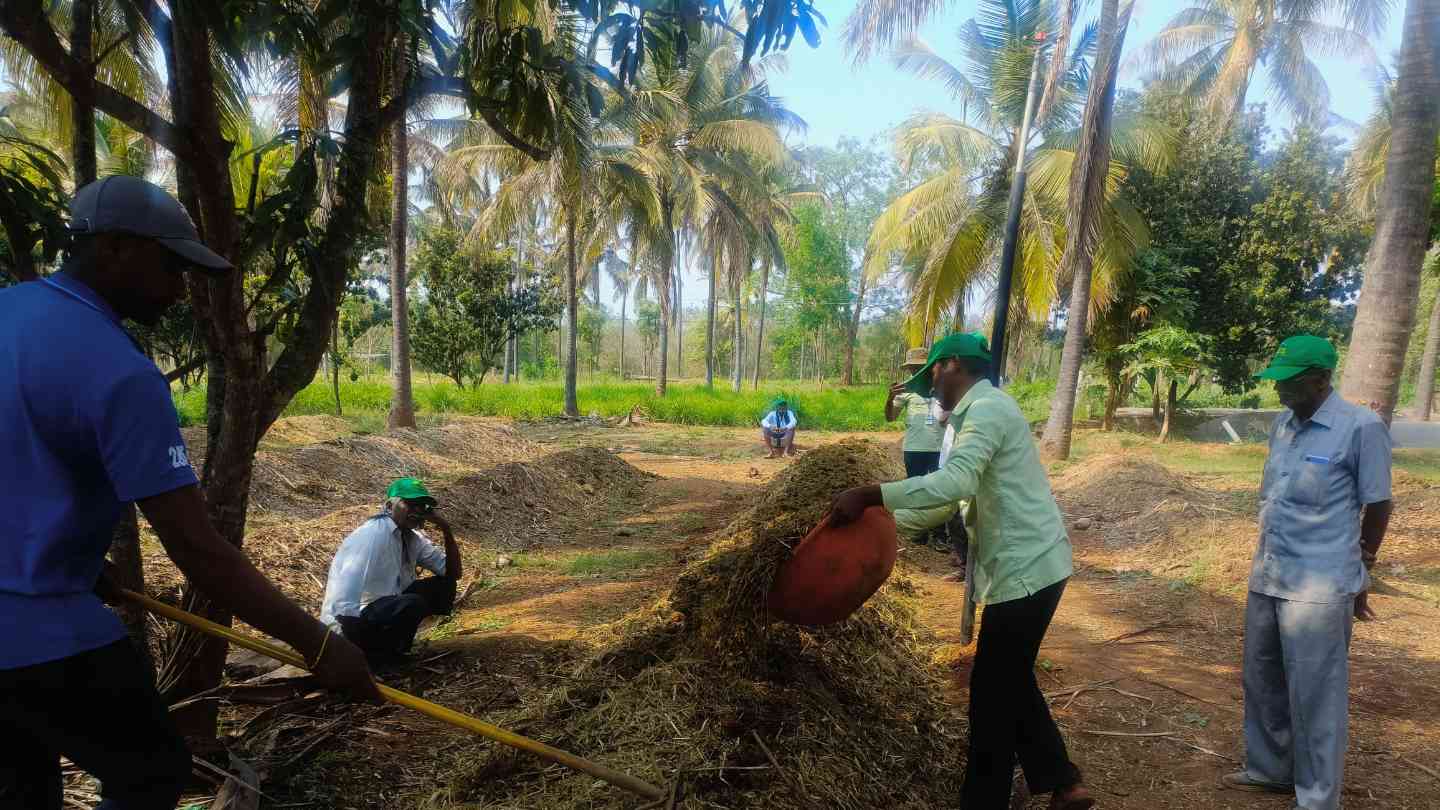
Akshayakalpa has spent 16 years proving that small-scale farming can be dignified – 2,800 farmers, with monthly incomes around ₹1,00,000, and healthy soil to show for it. Now they’re passing that knowledge forward through a 9-month fellowship for young people who want to build a future in regenerative and financially profitable agriculture.
Fellows go deep on the practices that make this model work – composting, integrated dairy, soil health, natural pest management, mixed cropping, and water conservation – grounded in what’s already been proven at scale. Currently, the fellowship runs in Karnataka, Tamil Nadu, and Telangana, with an opportunity to spread across India.
Our Thesis Lead for Rural, Vikas Hosoor, spent time with the first three cohorts of fellows this month. His takeaway? These young people have built strong foundations and are capable of farming sustainably in their own regions – but more than that they’re capable of carrying it forward and teaching others.
If you are an organisation focusing on sustainable agriculture in your region for your communities, these fellows are a proven resource.
AI, for Social Good
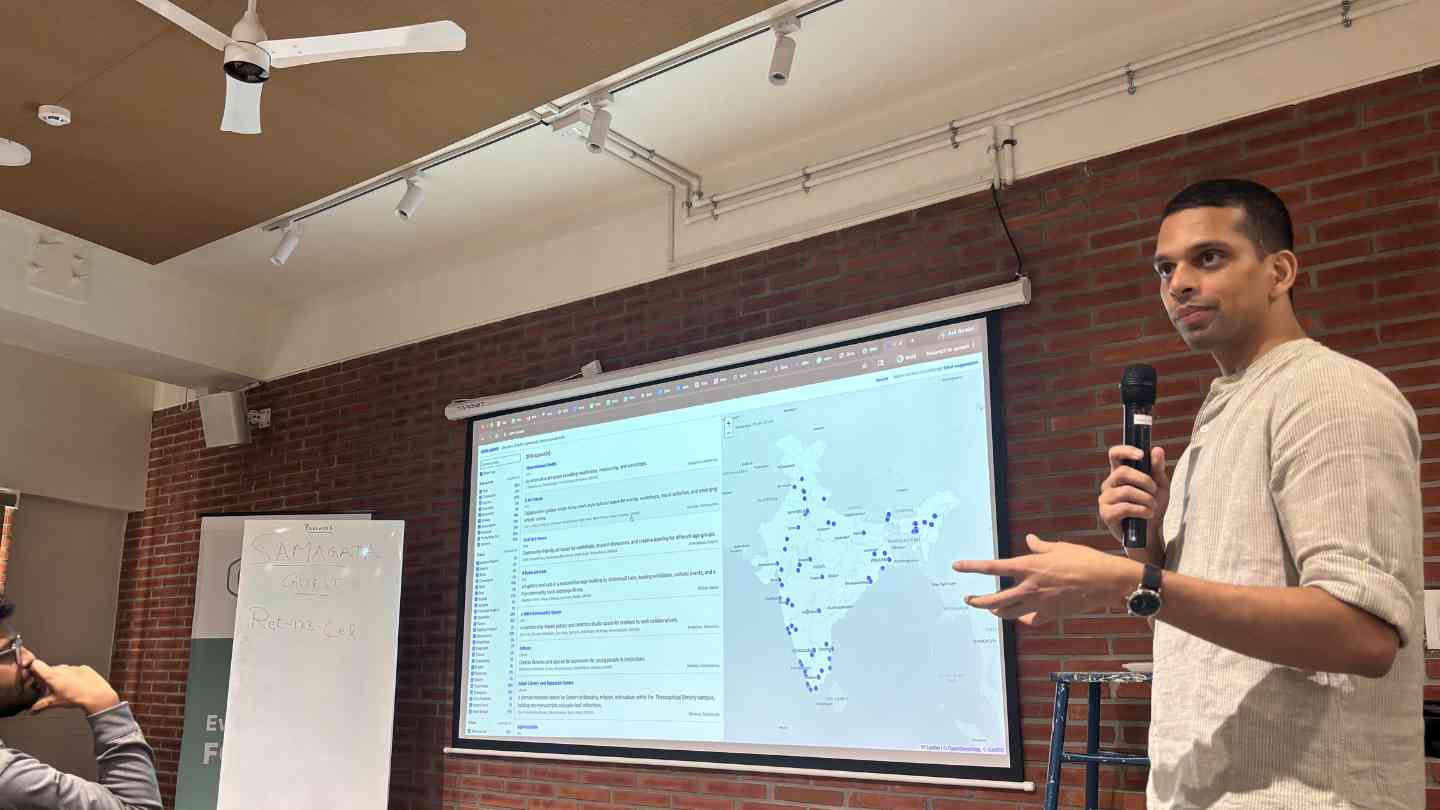
Bengaluru hosted the Insight Out workshop this month, brought together by Tech4Good Community and Oasis. The big question: can AI actually serve the social sector – beyond the noise?
Dr. Kailash Nadh, CTO at Zerodha and co-founder of Rainmatter Foundation, guided the room through responsible AI use and then made it real through ‘learning by doing’. Participants unlocked insights from their own data and mission, built intuitive tools and platforms, and worked through what it means to bring human judgement to the what, why, and how of AI.
Several of our team members and partner organisations attended this fun workshop to learn and build.
When Communities Own their Future, Things Change
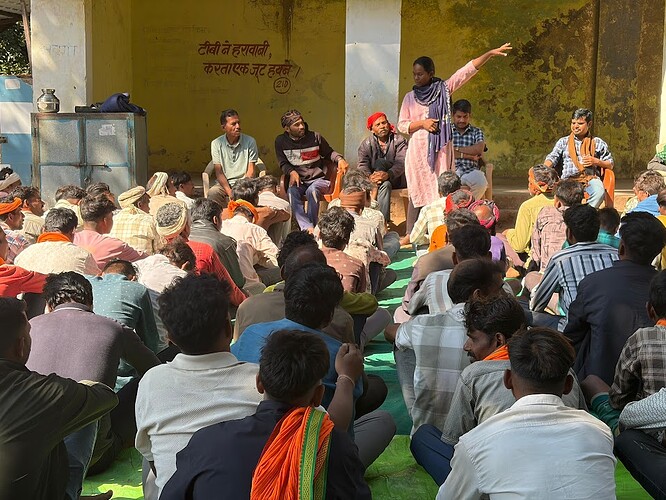
Our partner Shivganga works with the adivasi communities in Jhabua, Madhya Pradesh, and operates on a simple but radical belief: change lasts when it comes from within. Their regularly conducted Baithaks (village meetings) and Tolis (local action groups) are more than participation mechanisms, they’re how decisions get made and followed through.
Communities voice concerns and then work on solving them together. The Tolis also act as bridges between villages and institutions (government bodies, larger orgs, etc.), ensuring plans stay grounded in local realities while successful ideas take root in more regions.
As part of the SoTH (Sense of The House) Alliance, Shivganga is now co-creating broader place-ownership frameworks that strengthen tribal self-governance. One such being through such baithaks and tolis.
Building Agency Early On
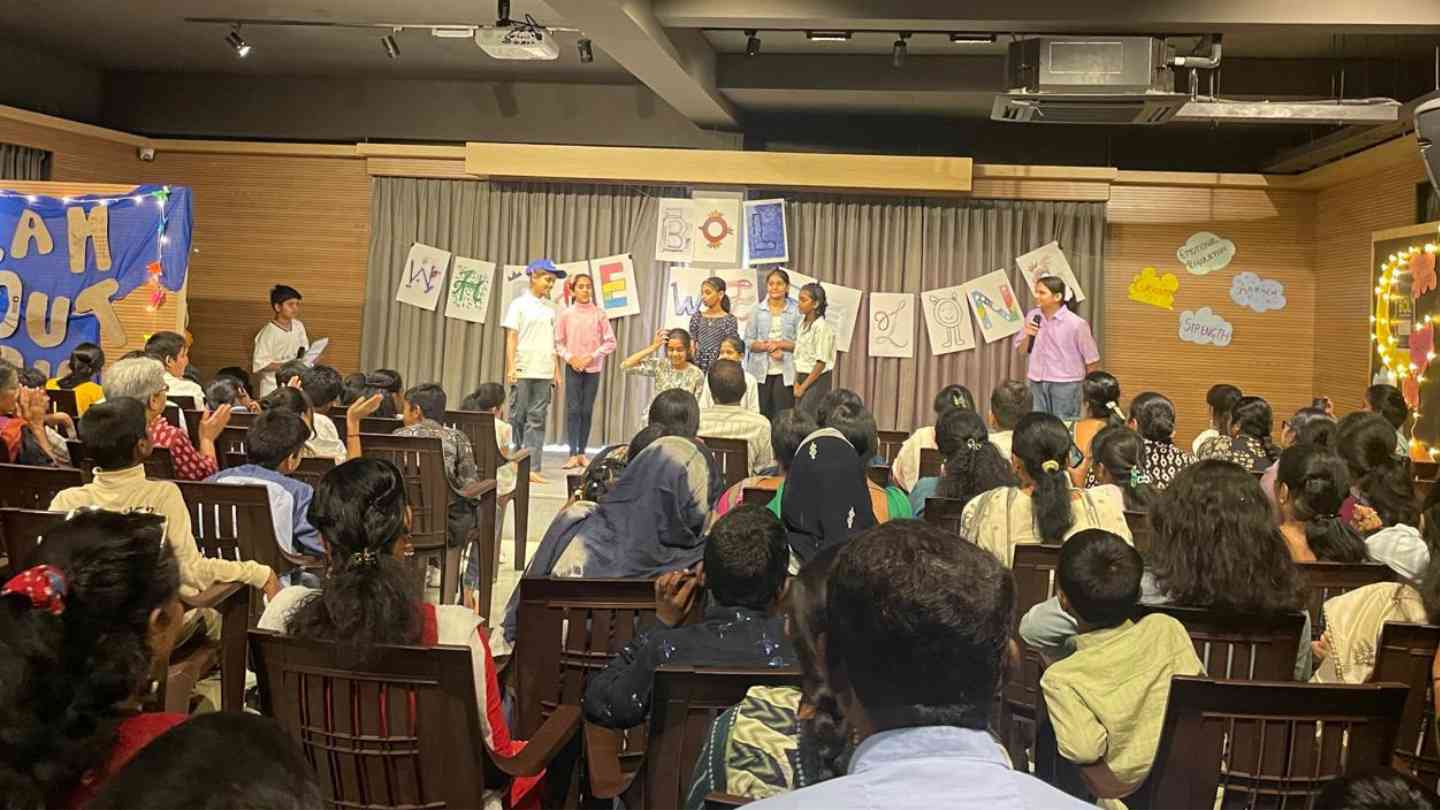
Slam Out Loud brought their ‘BOL’ showcases to Delhi, Bengaluru, Mumbai, and Pune this March, and 400+ people showed up to watch children talk about nature, climate change, and the world they’re inheriting.
These children had moved from being passive students to active thinkers – kids who had opinions, made art from them, and shared it publicly with confidence. Watching children frame complexity better than most adults is truly humbling. Their artworks and performances left a lasting impression on our Climate Education & Communications Lead, Vartika Goel. She left with mixed emotions, hopeful about the futures children might shape, and uneasy about the weight our present continues to place on them.
14 Places. 300+ Applications. One Powerful Cohort.
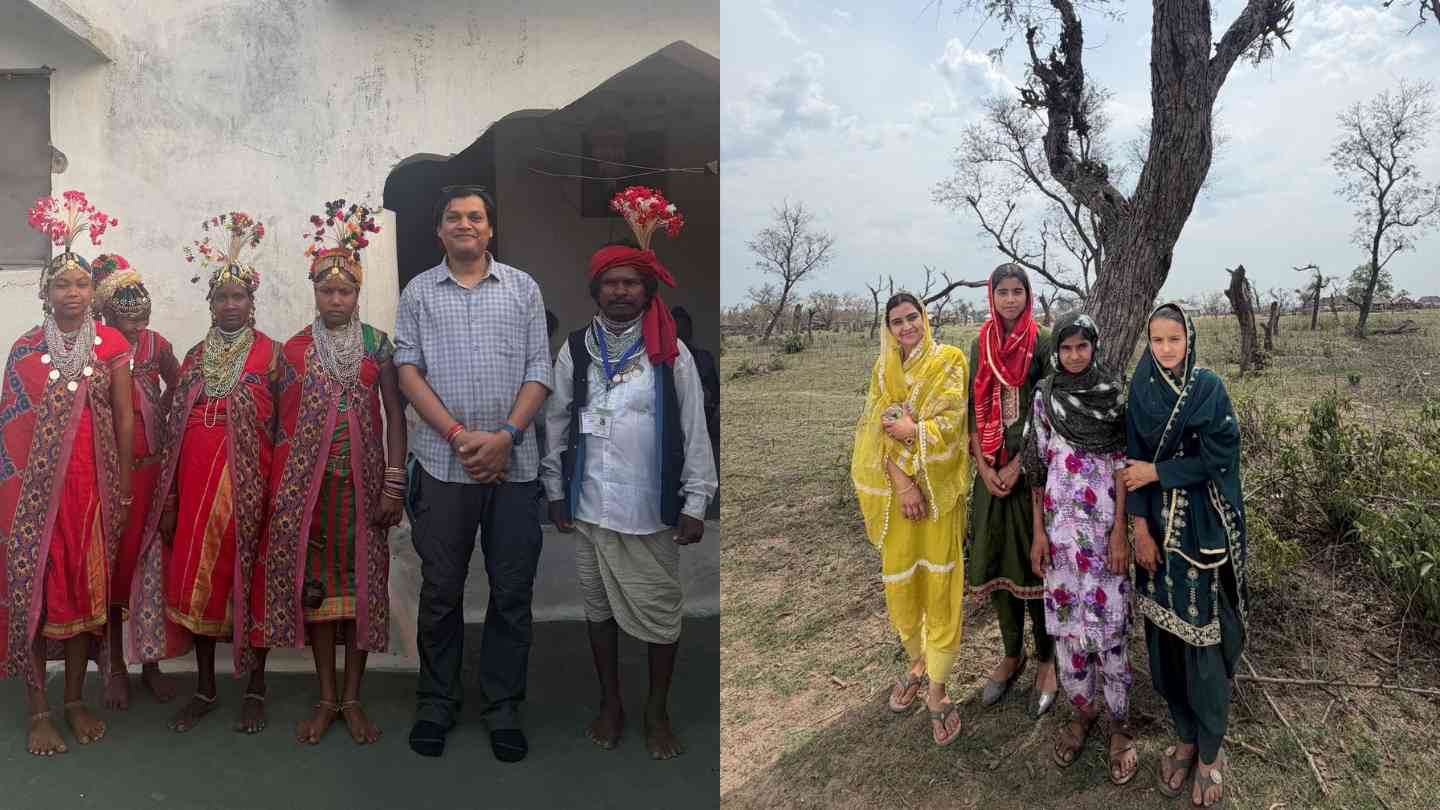
The Jagah Fellowship – a collaboration between FactorDaily and Rainmatter Foundation – selected its first cohort of 14 from over 300 applications. These fellows are deeply embedded in their places, ranging from a coast, a forest, a river, a desert, to even a locked up space.
The fellowship is about telling stories as the jagah (place) itself – a practice of place-based storytelling and narratives that travel, shifting climate stories from extraction to stewardship, deficit to dignity, “I” to “We”.
Pankaj Mishra, founder of FactorDaily, will mentor the fellows through 2026. He put it better than we could: “Each fellow is carrying a place the world has looked at too quickly, too externally, too shallowly.”
We couldn’t agree more. Follow Pankaj on LinkedIn to witness the journey.
Leopards, Bears, and the Conversations We Needed
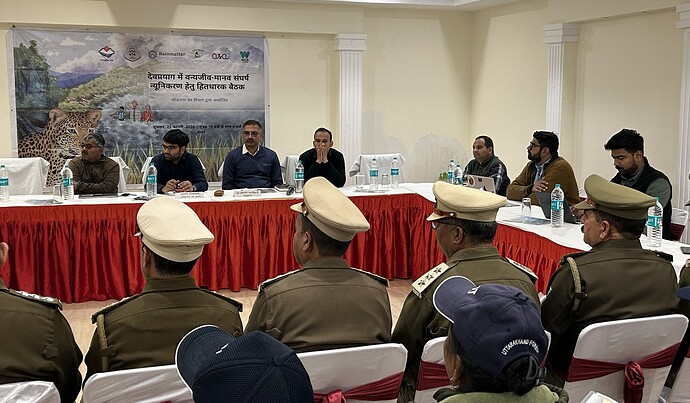
In Devprayag and Rudraprayag districts of Uttarakhand, WCS-India, Titli Trust, and Asar brought together the place-owners. Forest officials, media, field-science experts, local communities, and students talked about something that doesn’t get nuanced attention: humans and wildlife trying to share the same land.
The meetings surfaced what field experience always does – that coexistence requires community action, trust-led collaboration, responsible journalism, and approaches that are rooted in science.
Reporting Coexistence, Not Just Conflict
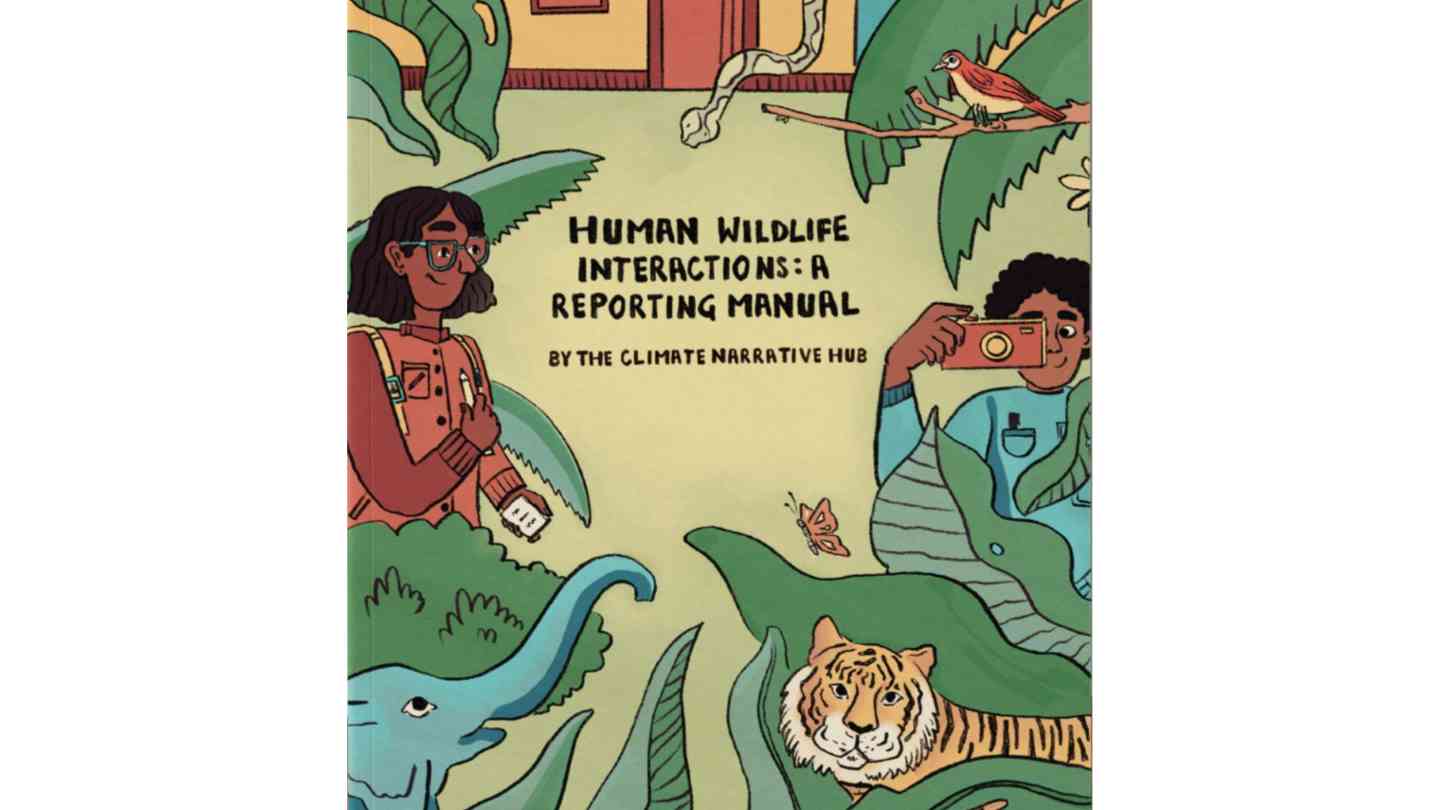
The Climate Narrative Hub has launched the Human-Wildlife Interactions Reporting Manual, for journalists and storytellers covering the full spectrum of how people and wildlife share space.
Co-created with six partner organisations, the manual moves beyond one-dimensional conflict narratives. It acknowledges that while moments of tension and tragedy often dominate headlines, they are only a small part of a much larger, ongoing reality- one where people and wildlife continuously adapt, share space, and navigate risk.
Drawing from insights across media, research, and civil society, the guide invites creators to widen their lens. By doing so, stories can become not just more accurate and empathetic, but also more constructive, thus shaping public understanding, informing policy, and creating space for shared responsibility.
Curious what more nuanced storytelling could look like? Explore the manual at ClimateNarrativeHub.org.
The Climate Brief Kept Asking the Hard Questions

The Climate Brief spent March unpacking the systems hiding in plain sight. Why do women pay more money and time to get around a city? What’s really at stake in the Nicobar Islands? Who is responsible when a city bakes in 46°C heat?
The episodes this month were about the roads we build, the policies we approve, and the people who bear the cost. If you haven’t caught our latest episodes yet, they’re on the Climate Brief YouTube channel and worth your time.
Welcome, New Partners
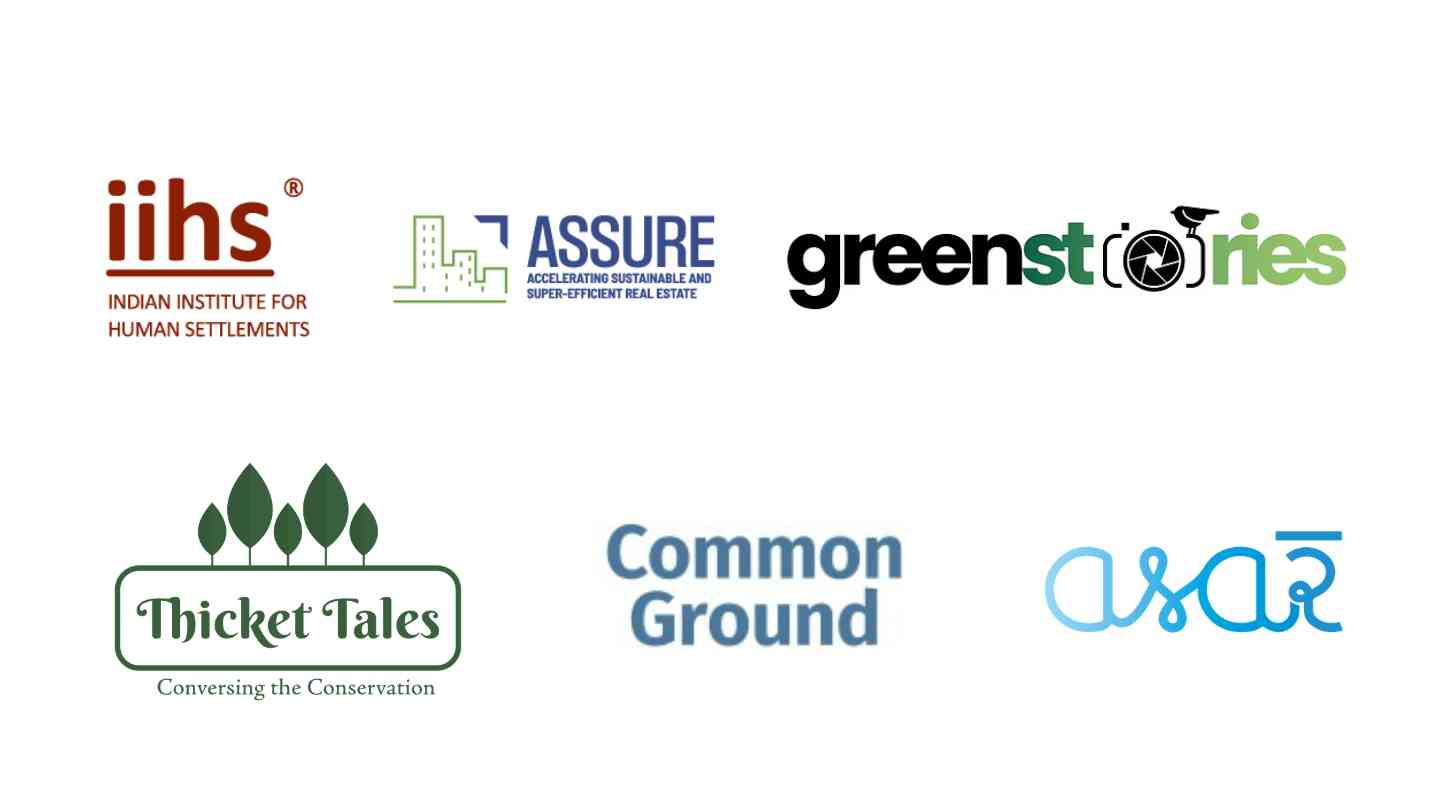
We’re glad to welcome five new partners into the Rainmatter network this month:
- Common Ground Initiative – Collaborative initiative of 91+ organisations working to strengthen ecological, social, and economic wellbeing in rural India through decentralised, community-led governance.
- Asar Social Impact Advisors – Builds sub-national ecosystems through multi-stakeholder networks across clean air, energy transition, commons governance, climate education, and narratives.
- IIHS – ASSURE – Accelerating high-performance buildings to reduce resource consumption and improve productivity through technical assistance, capacity building, and innovative market mechanisms.
- Thicket Tales – Connects classroom learning to children’s backyards through place-based education. Enables children to explore, map, and act on climate challenges in their local ecosystems.
- Green Stories – Mentors filmmakers to create and pitch impactful wildlife and environmental documentaries from India and Southeast Asia.
Until next time, may your roads be auspicious | śubhāste panthānaḥ santu
Team Rainmatter Foundation